
Camel crickets are humpbacked, wingless crickets with long legs that thrive in dark, damp crawl spaces and basements. Silent and harmless, they are a very common Whidbey crawl-space pest and a clear indicator of excess moisture.
How to identify camel crickets
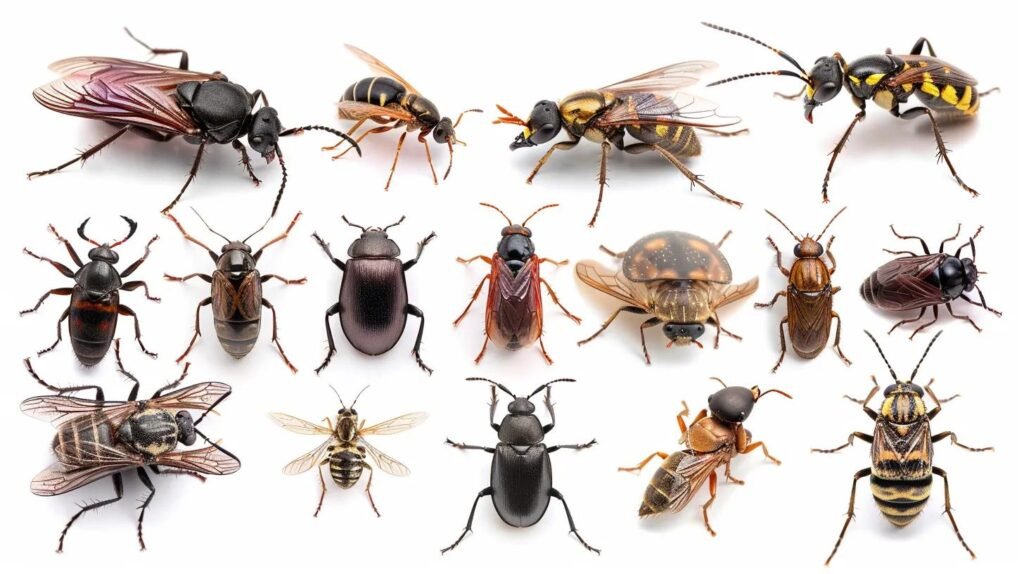
About 1/2 to 1 inch, tan to brown, humpbacked, with very long antennae and legs. They are wingless, do not chirp, and jump erratically when startled.
Behavior & season on Whidbey & Fidalgo
They favor cool, damp, dark spaces — crawl spaces, basements, and garages — feeding on organic matter and fungi. Numbers build wherever humidity stays high, and they jump toward disturbance.
Why camel crickets are a problem
They do not bite, chirp, or damage structures, but large crawl-space populations can chew paper and fabric in storage, and their startling jumps make basements and crawl spaces unpleasant.
Signs of camel crickets activity
- Humpbacked, long-legged crickets in crawl spaces and basements
- Erratic jumping when disturbed
- Concentrations in damp, dark storage areas
- Occasional chewing on stored paper or fabric
How Salty Dog treats camel crickets
We treat crawl-space and basement harborage and target the moisture that sustains them, cutting the population at its source. Learn more about our Crawl Space Restoration service, or browse the full Pest Library.
Reviewed by Matthew — Salty Dog Pest Control. WSDA-licensed structural pest applicator (License #101709). Veteran- and family-owned, serving Whidbey Island, Fidalgo Island, and west Skagit County.
Frequently asked questions
Are camel crickets dangerous?
No — they do not bite or chirp and are harmless. They are mainly a startling nuisance and a sign of a damp crawl space.
Why are they in my crawl space?
They thrive in cool, damp, dark spaces. High crawl-space humidity is the root cause, so moisture control is key.
Had a good experience with Salty Dog? Leave us a review — it helps your Whidbey and Fidalgo neighbors find honest, local pest control.