
Common Termite Warning Signs in Moist Coastal Environments
Termites are silent destroyers—and in the damp, salt-kissed climate of coastal Washington, homes are particularly vulnerable to their stealthy damage. The combination of moisture, wooden structures, and mild temperatures creates a prime environment for termites to thrive year-round. Unfortunately, by the time homeowners notice visible damage, termites have often been at work for months. Here’s what to look for if you suspect a termite infestation in your coastal home—and why early detection matters.
Mud Tubes Along Walls or Foundations
One of the first red flags of a subterranean termite problem is the appearance of mud tubes—thin, dirt-colored tunnels made from a mixture of soil and saliva. These tubes typically show up along foundations, crawl space walls, or basement support beams. Termites use them to travel between their underground colonies and your home’s wooden structures, staying moist and hidden from predators. In coastal Washington, where rainfall and humidity are abundant, these tubes may blend in with regular dirt, making them easy to overlook.
Swarming Termites or Discarded Wings
Swarming is how termite colonies reproduce and expand—and in spring or early summer, you might notice swarms of winged termites (also called alates) around windows, doors, or outdoor lights. In coastal areas, warm weather following rainfall often triggers this event. While the swarm itself is short-lived, it’s a strong sign that an active colony is nearby. Even if you miss the swarm, piles of discarded wings left on window sills or baseboards are a clear signal that termites are looking to establish a new home—possibly inside yours.
Soft or Hollow-Sounding Wood
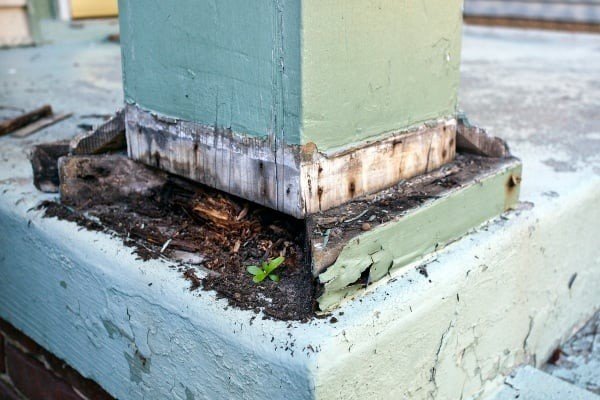
One of the more destructive signs of termite activity is damage to wooden structures. Tap on baseboards, floors, or support beams—if they sound hollow or feel soft under pressure, termites may have tunneled through them from the inside out. This damage often remains hidden until major structural issues occur, especially in coastal homes where wooden decks, crawl spaces, and framing are exposed to high moisture and rarely inspected. Wood that appears intact may, in fact, be riddled with internal tunnels.
Tight-Fitting Doors and Hard-to-Open Windows
Termite damage doesn’t always present as crumbling wood—sometimes it’s subtle, like a door that suddenly won’t close properly or a window that’s unusually hard to slide. As termites consume wood, they produce moisture and cause warping that distorts the frame’s shape. In coastal homes, where moisture is already a factor, it’s easy to chalk these changes up to humidity—but if you notice them alongside other signs, termites could be the underlying issue.
Frass: Termite Droppings That Resemble Sawdust
Drywood termites, which are more common in warmer parts of coastal Washington, don’t create mud tubes like their subterranean cousins. Instead, they leave behind frass—tiny, pellet-shaped droppings that resemble sawdust or coffee grounds. These can accumulate near baseboards, under wooden furniture, or in attics. If you see small piles that look like they came from sanding wood, you may have a drywood termite problem on your hands.
Peeling Paint or Bubbling Walls
Another overlooked sign of termite damage is paint that peels or bubbles, especially on drywall or wooden surfaces. This can mimic water damage, which is already common in homes near the coast, making it tricky to distinguish. However, termites feeding within walls can cause enough moisture buildup to lift paint or wallpaper, forming small bubbles or cracks in the finish. If there’s no apparent water leak nearby, termites could be the culprit.
Why Termites Love Coastal Washington
Moisture and wood—those two things define the perfect environment for termites. In coastal Washington, the climate brings constant humidity, rainy seasons, and often poor ventilation in crawlspaces or basements. Homes near the shore or built on wooded lots are particularly at risk, especially if they use untreated wood or lack regular pest inspections.
Don’t Wait—Protect Your Home and Your Wallet
Termite damage can quietly rack up thousands in repair costs—and most homeowner’s insurance won’t cover it. That’s why early detection isn’t just smart—it’s essential. If you’ve noticed any of the signs above, or even suspect something’s not right, don’t wait for visible damage to appear. Contact Salty Dog Pest Control today to schedule a thorough termite inspection.
Our trained technicians use advanced detection methods tailored for Coastal Washington’s climate and soil conditions, helping you catch problems early and choose the most effective, minimally invasive treatment options.
Call now or book online—your peace of mind starts with a single visit.